

The Growing Trend in Acquiring Security Camera Systems
By Shang Beighey | November 20, 2026
The demand for modern surveillance infrastructure has escalated rapidly in recent years, shifting property monitoring from an exclusive luxury into an indispensable standard across modern society. Both homeowners and commercial enterprises face evolving safety concerns alongside rapid technological shifts, prompting a massive transition toward connected digital protection. Modern surveillance infrastructure no longer relies on grainy analog feeds or cumbersome magnetic tapes; instead, contemporary setups utilize high-definition video, cloud architecture, and proactive intelligence to defend physical assets around the clock. Exploring this evolution reveals how digital hardware, software innovation, and economic incentives have converged to transform security camera systems into essential components of everyday risk management and modern property maintenance.
Examining Modern Video Capture and Image Quality
The cornerstone of contemporary surveillance begins with significant optical and sensor advancements that elevate situational awareness. Analog setups that once produced ambiguous, pixelated imagery have been largely supplanted by high-definition and ultra-high-definition cameras. Current camera models frequently capture video in native 4K resolution, enabling security operators to discern critical forensic details such as facial contours, vehicle license plates, and distinct clothing markings from substantial distances. High dynamic range technology and enhanced low-light color night vision ensure that surveillance feeds remain crisp even in challenging environmental conditions, such as deep shadows, sudden backlighting, or nighttime glare. As optical clarity and digital zoom capabilities improve, security personnel and property owners can accurately assess events without the persistent visual ambiguity that plagued older legacy recording systems.
Integrating Artificial Intelligence and Automated Analytics
The fusion of artificial intelligence and machine learning has redefined the operational scope and utility of surveillance. Rather than serving as passive recording instruments that require constant manual observation, modern security camera systems actively process visual information in real time to identify abnormal occurrences. Intelligent algorithms distinguish between routine environmental movement, such as swaying tree branches or passing neighborhood wildlife, and legitimate threats, such as human intruders lingering near entry points. This targeted differentiation drastically reduces false alarms, saving users from notification fatigue while ensuring that urgent alerts receive immediate attention. Furthermore, advanced video analytics catalog incident metadata, allowing users to search recorded archives for specific events, vehicles, or individuals within seconds, transforming passive visual archives into actionable intelligence libraries.
Connecting Wireless Hardware Within Smart Ecosystems
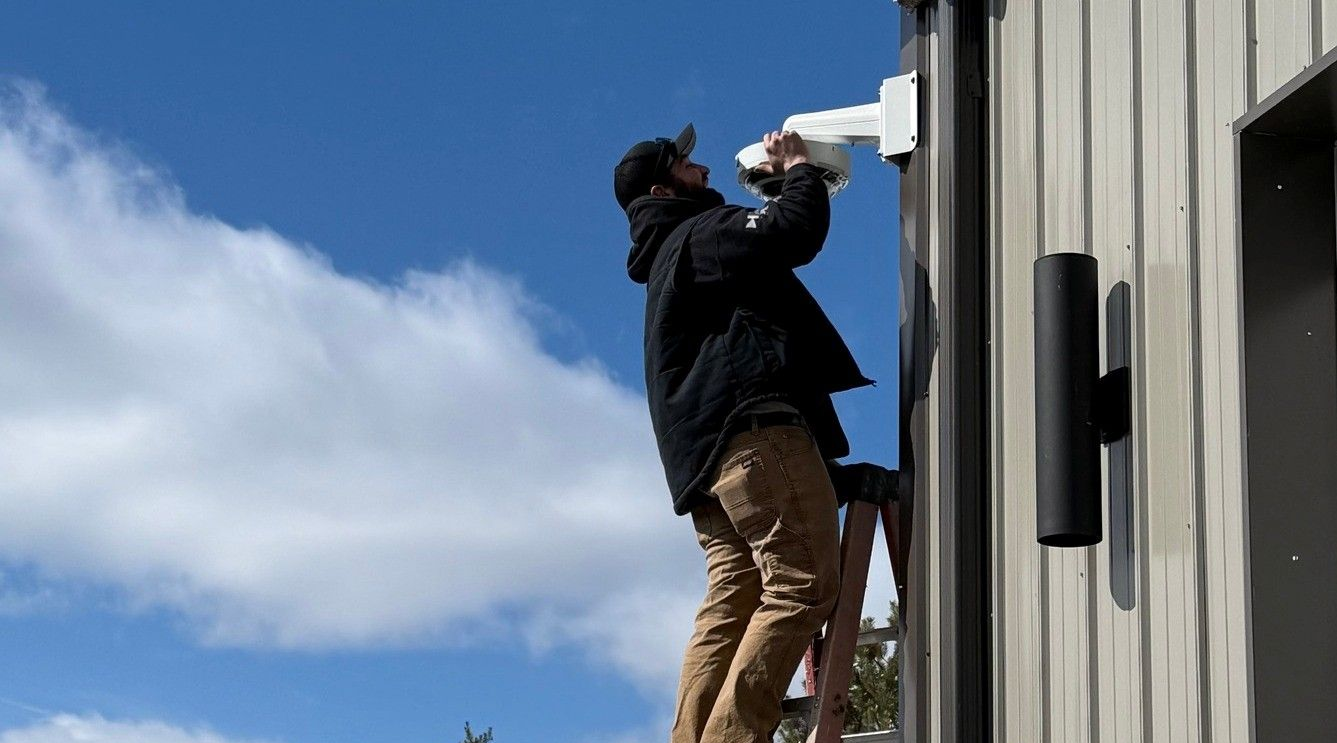
The rapid expansion of the Internet of Things has revolutionized hardware installation, system scalability, and network flexibility. Traditional surveillance required complex, invasive wiring runs that disrupted building aesthetics and severely limited device placement. In contrast, wireless and battery-powered cameras offer versatile mounting options, blending seamlessly into residential architectures and commercial spaces without requiring extensive structural modifications. These devices integrate smoothly with broader automation platforms, establishing interconnected networks alongside smart locks, sirens, motion detectors, and exterior floodlights. When a camera detects an unauthorized presence, the synchronized system can automatically illuminate dark zones, lock perimeter gates, sound audible alarms, and push real-time video notifications directly to mobile devices for immediate response.
Evaluating the Escalating Demand for Property Protection
Heightened awareness surrounding property crime and ongoing urbanization has intensified the collective desire for robust perimeter security. Dense urban growth and fluctuating property crime rates have made proactive monitoring essential for residential peace of mind across diverse neighborhoods. Visual surveillance acts as an immediate physical deterrent, discouraging potential intruders from targeting vulnerable entryways or unmonitored driveways. According to SafeHome.org, 61% of U.S. households now have at least one security camera — up from 52% in 2024. Today, about 74.9 million homes have indoor or outdoor security cameras. This substantial adoption reflects a broader cultural shift toward proactive self-reliance, where families leverage connected security camera systems to maintain continuous visibility over their homes and loved ones.
Safeguarding Commercial Facilities and Public Environments
Commercial entities and civic authorities rely heavily on digital surveillance to maintain public order, protect personnel, and ensure asset integrity. Municipalities employ extensive surveillance grids across transit hubs, public plazas, and transportation corridors to manage crowded venues, deter unlawful behavior, and coordinate rapid emergency responses during critical incidents. In the private sector, organizations deploy security camera systems across corporate campuses, storage yards, and distribution centers to mitigate corporate liability, monitor vulnerable perimeters, and deter internal theft. Providing synchronized, panoramic coverage across diverse environments ensures that security administrators can supervise high-traffic choke points, manage visitor access, and safeguard critical physical infrastructure against potential disruptions.
Modernizing Workplace Operations and Loss Prevention
Beyond physical defense, commercial enterprises increasingly use visual monitoring to refine daily workflows and maintain operational discipline. Retail organizations utilize strategically placed cameras to identify shoplifting patterns, evaluate customer foot traffic flow, and optimize merchandise displays for greater revenue generation. In industrial environments, surveillance systems ensure that workers adhere to safety protocols, use personal protective equipment, and operate heavy machinery responsibly to minimize workplace injuries. Remote accessibility also empowers supervisors to oversee multiple branch locations simultaneously, bridging geographic divides without requiring constant onsite presence. Consequently, deploying security camera systems delivers meaningful business intelligence that streamlines daily operations, protects commercial profitability, and enhances overall customer service.
Analyzing Financial Returns and Insurance Incentives
Investing in sophisticated monitoring hardware provides quantifiable economic advantages that extend far beyond primary theft deterrence. Commercial enterprises and property owners frequently recoup their initial capital outlays through substantial reductions in inventory shrinkage, vandalism repair costs, and property damage. Furthermore, major insurance providers routinely offer reduced policy premiums to residential properties and commercial facilities fortified with monitored security camera systems. When disputes or loss claims arise, tamper-resistant high-definition footage supplies verifiable evidence, dramatically expediting claim resolutions and defending companies against fraudulent slip-and-fall litigation. Over time, these combined financial savings justify hardware expenditures, making enterprise-grade surveillance a fiscally sound decision for organizations of all sizes.
Navigating Regulatory Compliance and Cybersecurity Risks
The digital architecture of networked surveillance introduces intricate legal and technical obligations that organizations must navigate responsibly. Because internet-connected cameras capture vast amounts of personal information, companies must comply with stringent data privacy regulations governing video storage retention, access rights, and public notification signage. Simultaneously, networked hardware represents a potential entry point for malicious actors if left unshielded against digital intrusion. Implementing enterprise security camera systems requires deploying end-to-end data encryption, multi-factor authentication, network segmentation, and regular firmware updates to safeguard feeds against cyber breaches. Balancing comprehensive visual coverage with strict digital hygiene ensures that organizations maintain public trust while protecting proprietary networks from external tampering.
Anticipating Next-Generation Wireless and Automated Infrastructure
The horizon of surveillance technology promises even greater autonomy, speed, and analytical precision for residential and commercial users alike. The widespread deployment of 5G cellular connectivity delivers ultra-low latency and expansive bandwidth, enabling simultaneous 4K streaming from dozens of remote cameras without straining local broadband infrastructure. Concurrently, decentralized technologies such as cryptographic blockchain verification are emerging to authenticate video data integrity, ensuring that forensic footage remains immune to digital tampering or unauthorized manipulation. Furthermore, autonomous aerial drones and mobile robotic units are beginning to interface directly with fixed camera grids, providing multi-angle coverage that dynamically responds to perimeter breaches across expansive industrial and agricultural environments.
Selecting Strategic Solutions for Reliable Protection
Modern surveillance has evolved from static, reactive observation into an intelligent, multi-layered framework essential for comprehensive asset protection. From deterring opportunistic crime and securing commercial operations to delivering invaluable operational insights, modern installations empower users with unmatched situational awareness and remote control. Maximizing the efficacy of these advanced technologies requires tailored planning, dependable hardware, and flawless technical execution adapted to specific site requirements. For property owners and commercial enterprises seeking to design, install, and optimize industry-leading security camera systems, the experienced professionals at DirSolutions LLC deliver the custom configurations and dependable support necessary to guarantee total peace of mind.

Share On: