
How to Choose the Right Home Security Camera System for Your Needs
By Shang Beighey | June 11, 2026
Selecting the perfect way to protect your property can feel overwhelming given the massive array of technology available today. However, finding the ideal security camera system doesn't have to be a stressful ordeal if you know which core features match your specific living situation. By evaluating your property layout, budget, and monitoring preferences, you can easily customize a surveillance solution that provides lasting peace of mind and robust protection.
Evaluating Your Property Layout and Coverage Vulnerabilities
Before purchasing any hardware, walk around your home to identify weak points like dark side-alleys, basement windows, hidden back doors, and main entryways. According to The Zebra, 72% of burglaries happened when members of the household were absent. Mapping these specific areas helps determine whether you need weatherized high-angle outdoor equipment or discreet wide-angle indoor units to establish an effective defense. Take note of blind spots created by heavy foliage, structural extensions, or detached garages, as these are the exact locations a seasoned intruder will exploit to gain entry undetected. Furthermore, understanding the precise angles of sunlight throughout the day can prevent lens flare from blinding your lenses, ensuring that your footage remains perfectly crisp and usable regardless of the time of day or changing weather conditions. Dedicating time to this initial assessment prevents you from buying too many cameras or placing them in spots where their vision is obstructed by walls or trees.
Choosing Between Wired and Wireless Hardware Architectures
Wired options offer unmatched signal reliability, consistent power delivery, and zero battery maintenance, though they typically require professional installation and drilling through solid walls. Wireless alternatives provide incredible flexibility, quick do-it-yourself setup, and easy repositioning, but they rely heavily on robust Wi-Fi signals and routine battery recharges. Selecting the right architecture for your security camera system depends entirely on your technical comfort level, long-term property ownership goals, and whether you own or rent your current home. Homeowners planning to stay in their residences for decades often prefer the permanence and stability of Power over Ethernet (PoE) systems, which combine power and data into a single, reliable cable. On the other hand, renters or frequent movers greatly benefit from the non-invasive nature of completely wire-free, battery-powered devices that can be uninstalled in minutes without leaving permanent structural damage behind. Whichever you choose, ensure your home network can handle the continuous data load without slowing down your daily internet activities.
Selecting the Ideal Camera Shapes and Form Factors
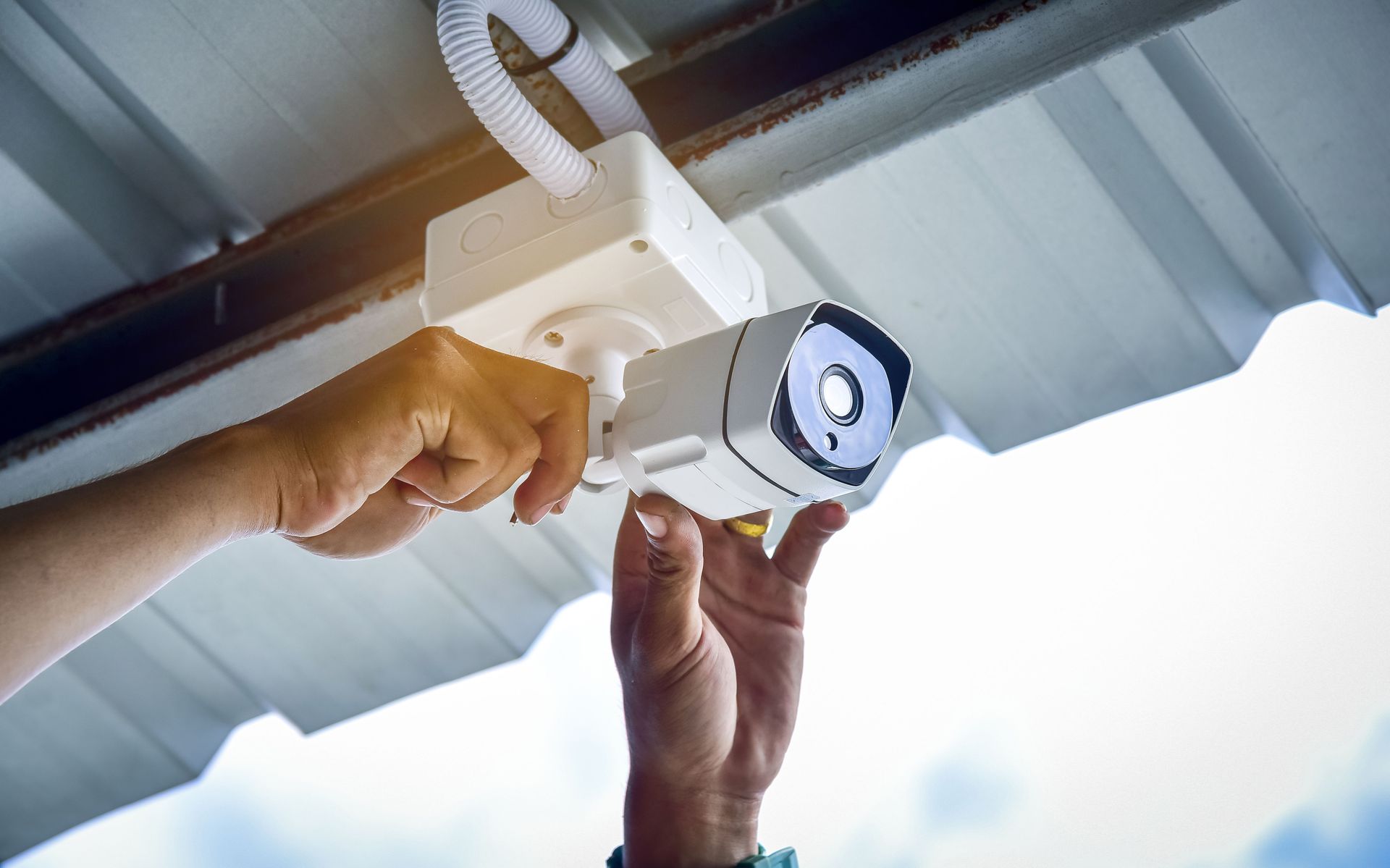
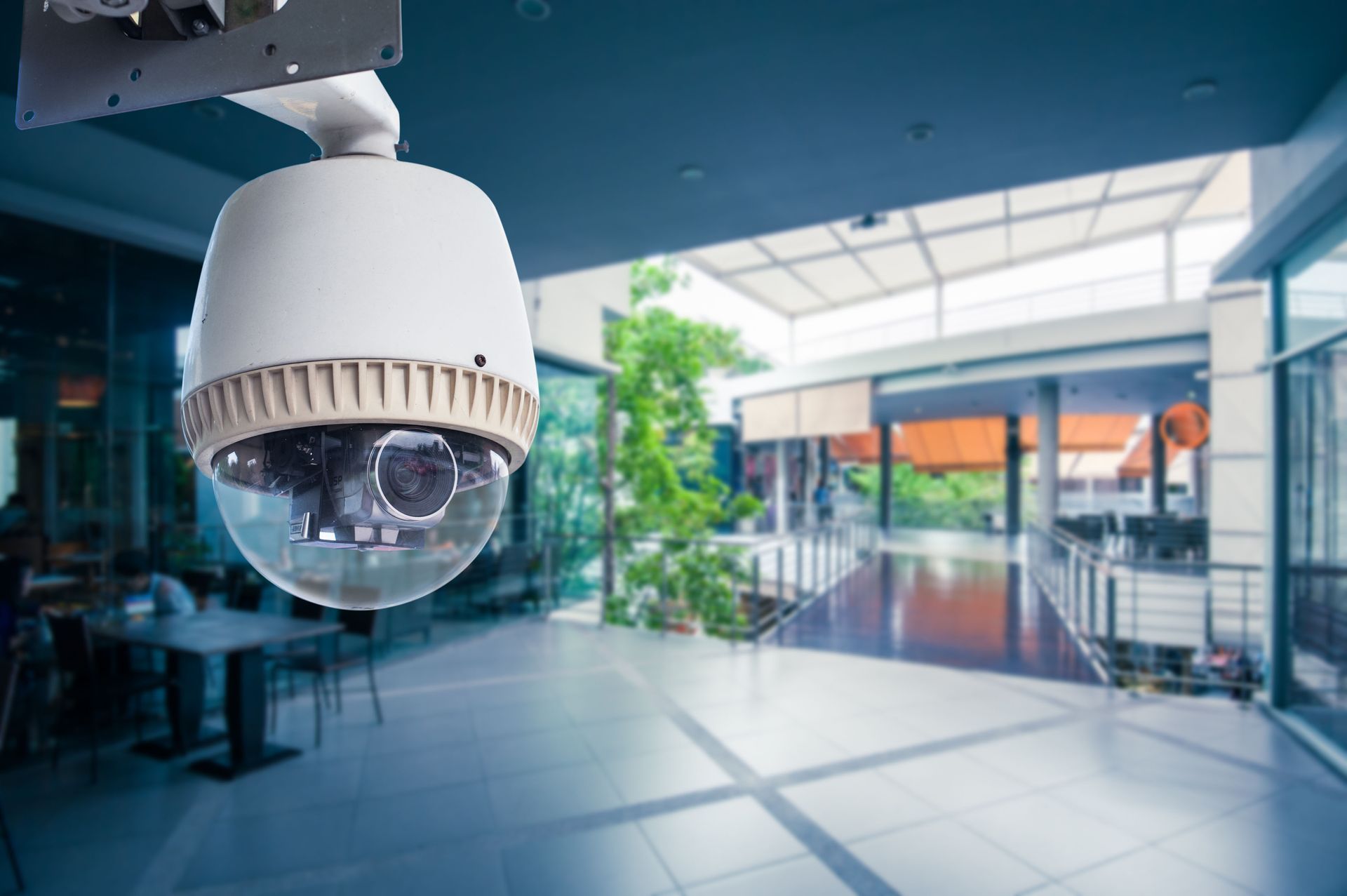
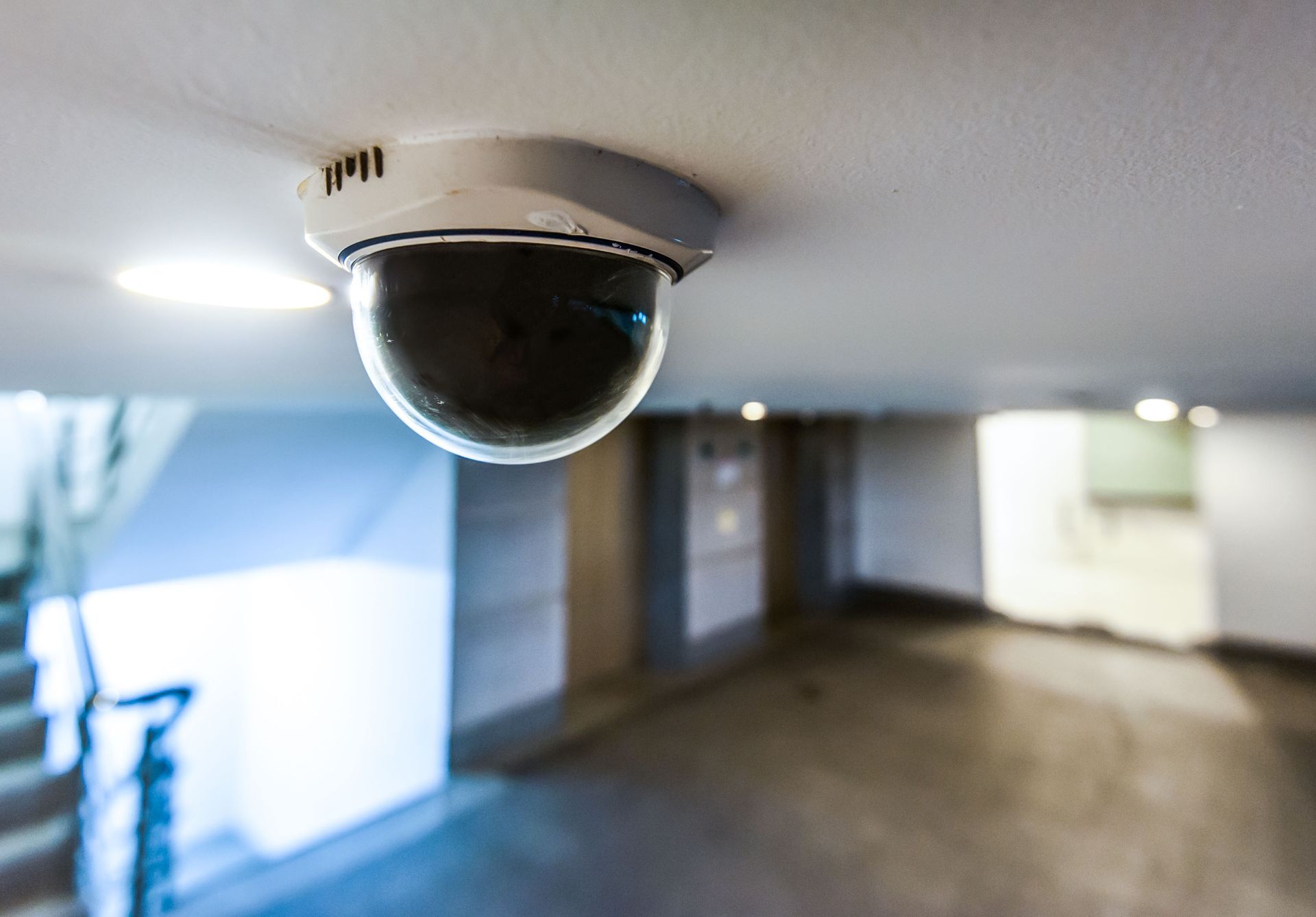
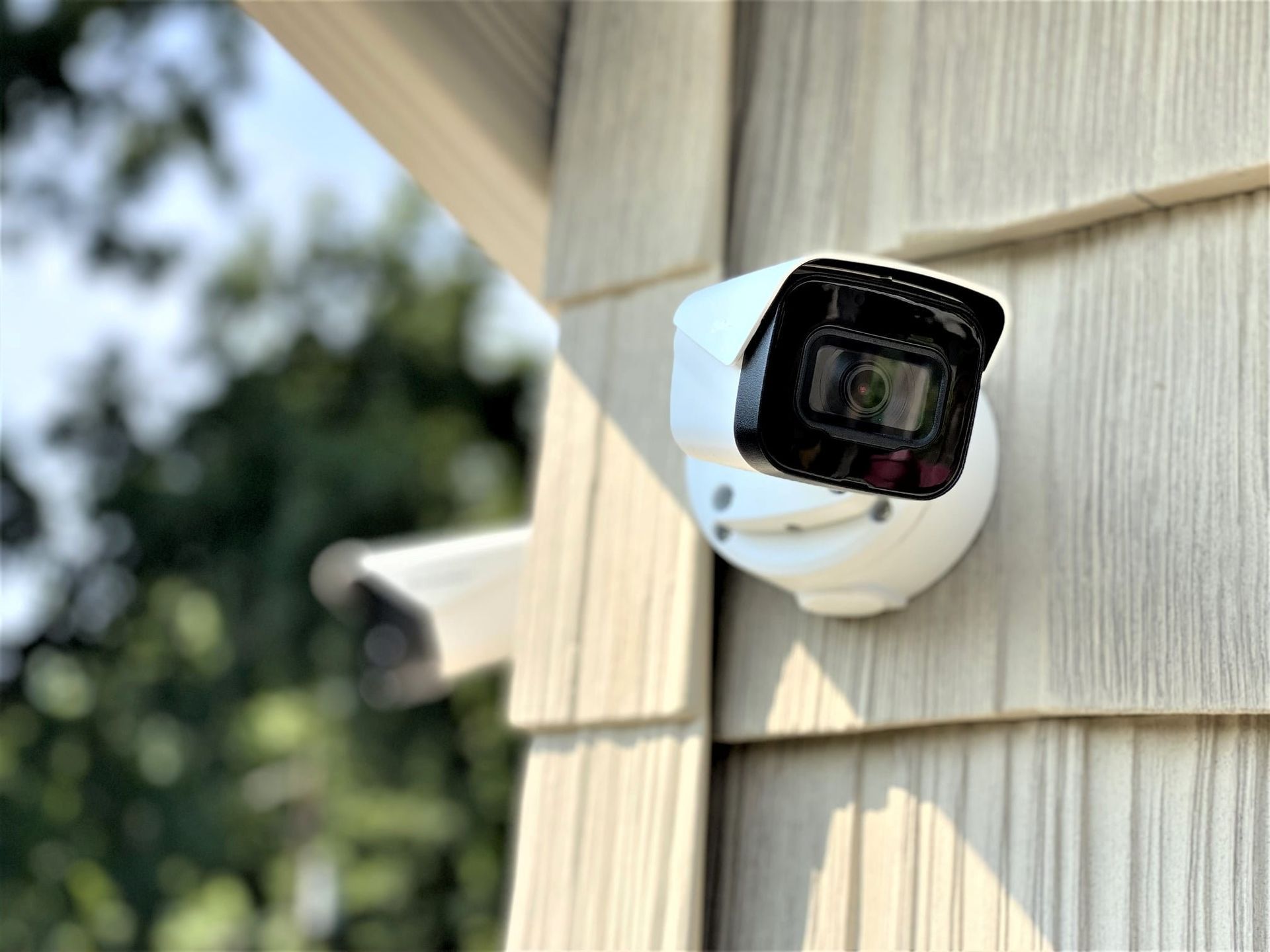
Dome cameras are highly durable, exceptionally vandal-resistant, and visually discreet, making them perfect for low ceilings, apartment hallways, and front porches where you want subtle surveillance. Bullet cameras act as highly visible visual deterrents, extending outward to monitor long driveways, deep backyards, or expansive commercial perimeters with a clear and unmistakable directional focus. Integrating a strategic mix of both shapes ensures your security camera system delivers both overt deterrence to scare off opportunists and hidden tactical coverage where needed most. Additionally, turret cameras, which feature a ball-and-socket design, offer the high video quality of a bullet camera without the spiderweb vulnerabilities commonly associated with dome housings. Choosing the right form factor involves balancing how obvious you want your security presence to be with the physical constraints of the mounting surface. By matching the shape to the specific environment, you maximize the lifetime of the hardware and the effectiveness of your visual defenses.
Analyzing Video Resolution and Visual Clarity Requirements
High-definition video is no longer a premium luxury; it is a fundamental baseline requirement for identifying faces, license plates, and unexpected visitors from a distance. While 1080p resolution works perfectly well for small interior rooms, nursery monitoring, and narrow hallways, upgrading to 2K or 4K resolution provides the crisp detail necessary for wide outdoor areas. Investing in superior resolution ensures your security camera system captures actionable, court-admissible evidence rather than blurry, pixelated shapes during a critical safety incident. Higher resolution also allows you to utilize digital zoom functions effectively, letting you crop in on a specific detail, such as a clothing logo or a vehicle make, without completely degrading the image quality. However, keep in mind that higher resolutions demand significantly greater storage capacity and faster network upload speeds to function smoothly without buffering. Always verify that your internet service provider offers enough upstream bandwidth to support multiple high-definition streams simultaneously.
Assessing Night Vision Capabilities and Low-Light Performance
Criminals rarely operate under perfect lighting conditions, meaning your surveillance network must be just as sharp in total darkness as it is during broad daylight. Infrared night vision delivers clear, high-contrast black-and-white imagery by utilizing invisible light spectrums, while advanced color night vision uses powerful integrated spotlights or ultra-sensitive ambient light sensors. Prioritizing excellent low-light performance allows your security camera system to maintain a vigilant, uninterrupted watch over your property throughout the darkest hours of the night. When evaluating low-light performance, look closely at the camera's lux rating; the lower the rating, the better the camera can see in pitch-black environments. Superior night vision eliminates graininess and motion blur, ensuring that a person running across your yard at midnight is captured with forensic clarity. This round-the-clock capability ensures that your property remains fully defended even when visibility drops to zero.
Comparing Cloud Storage and Local Data Storage Options
Local storage utilizes physical onboard memory cards or dedicated network video recorders (NVRs), offering complete data ownership, maximum privacy, and zero recurring monthly subscription fees. Cloud storage uploads your footage automatically to secure remote servers, ensuring your video history remains safe even if an intruder physically steals or destroys the camera hardware. Balancing these two methods helps you build a security camera system that safeguards your footage against both digital hacking attempts and physical on-site theft. Many modern homeowners choose a hybrid approach, keeping continuous, high-resolution recordings stored locally on a hard drive while sending short, motion-triggered alert clips to the cloud. This redundancy guarantees that you will always have access to your video files, providing dual-layer protection that keeps your data accessible from anywhere in the world. Evaluating the long-term cost of cloud subscriptions versus the upfront cost of large hard drives will help you budget effectively over time.
Integrating Smart Home Features and Automation Ecosystems
Modern surveillance units do much more than passively record video; they seamlessly integrate into broader smart ecosystems like Apple HomeKit, Amazon Alexa, or Google Home. This advanced integration enables helpful voice commands, automated routines like turning on floodlights when motion is detected, and instant, intelligent smartphone alerts that can differentiate between people, animals, and vehicles. Incorporating these interconnected features transforms a standard security camera system from a passive recording device into an active, intelligent shield for your household. Imagine your cameras detecting an intruder at the property line and automatically locking your smart deadbolts, flashing your outdoor lights, and broadcasting a warning message through your smart speakers. By linking your surveillance tools with smart automation, you create a responsive, preventative defense mechanism that proactively deters crime before it ever reaches your front door. This level of interconnectivity provides a modern, comprehensive safety net that adapts dynamically to potential threats.
Investing time into planning your surveillance network ensures you protect what matters most without overspending on unnecessary tech gimmicks. By matching your home's unique layout with the appropriate resolution, storage type, and power architecture, you create a robust barrier against intruders. Ultimately, the right system is the one that fits seamlessly into your daily routine while delivering reliable, round-the-clock vigilance. For more information on home security cameras, contact DirSolutions LLC today.
Share On: