How Rising Costs Are Influencing Security Systems Choices
By Shang Beighey | October 24, 2026
As household expenses continue to rise, homeowners and business owners are reevaluating how they allocate their budgets. From utilities and insurance to maintenance and technology, increasing costs are encouraging consumers to prioritize essential services while searching for opportunities to reduce unnecessary spending. Property protection remains a significant concern, but purchasing decisions are becoming more deliberate as customers balance affordability with reliability.
This shift is influencing how people research, compare, and invest in security systems. Rather than automatically selecting comprehensive packages with extensive features, many consumers are considering long-term expenses, subscription requirements, and equipment flexibility. Understanding these changing priorities can help property owners make informed decisions without compromising their protection needs.
Evaluating Security Needs Before Making Purchases
Rising costs are encouraging consumers to examine their individual security requirements more carefully. Instead of purchasing equipment based solely on advertising or popular features, property owners increasingly focus on vulnerabilities specific to their homes or businesses. Factors such as building size, entry points, neighborhood conditions, and occupancy patterns can influence which protective measures offer meaningful value.
For residential properties, priorities might include monitoring entrances, detecting unauthorized access, and receiving alerts when unusual activity occurs. Commercial properties may require broader coverage, including access management, surveillance, and monitoring of sensitive areas. Recognizing these differences helps consumers avoid paying for capabilities that do not directly address their circumstances.
Comparing Equipment Costs and Ongoing Expenses
The initial purchase price is only part of the financial commitment associated with security systems. Consumers must also consider installation charges, monitoring subscriptions, maintenance requirements, software updates, and potential replacement expenses. These ongoing obligations can significantly influence affordability over the equipment’s useful life.
Some providers offer lower initial prices alongside recurring service agreements, while others require larger upfront investments with fewer continuing charges. Neither approach is automatically preferable. The better option depends on the customer’s available budget, desired features, and expectations regarding long-term service.
Transparency is especially valuable when comparing providers. Clear explanations of equipment ownership, service agreements, cancellation conditions, and potential additional fees help customers understand their financial responsibilities. By examining the total cost of ownership instead of focusing exclusively on promotional pricing, consumers can select solutions that remain manageable as other household or business expenses fluctuate.
Reconsidering Subscription Plans and Monitoring Services
Subscription expenses are becoming an increasingly important consideration for customers seeking dependable property protection. Monthly monitoring services may provide professional response coordination, enhanced notifications, cloud storage, and additional functionality. However, recurring charges can create financial pressure when combined with other essential bills.
Consumer behavior reflects this growing concern. According to SafeHome.org, home security users aged 18–29 were considerably more inclined than adults 60 and older to scale back premium features, downgrade or discontinue subscriptions, or contemplate canceling their services. This pattern highlights how financial priorities can influence decisions about ongoing protection expenses.
Nevertheless, reducing subscription costs requires careful consideration of the services being discontinued. Professional monitoring, for example, may offer benefits that basic alerts cannot replace. Consumers should understand how changes to their plans affect emergency notifications, system functionality, and available support.
Prioritizing Essential Features Over Premium Technology
Advancements in protective technology have introduced numerous features designed to improve convenience, awareness, and control. Mobile applications, remote viewing, intelligent notifications, automated access controls, and connected devices can all enhance the experience of managing property security.
However, rising expenses are encouraging buyers to distinguish necessary functions from optional conveniences. A homeowner primarily concerned about unauthorized entry may place greater importance on reliable intrusion detection than advanced automation. Similarly, a business owner may prioritize consistent surveillance coverage and controlled access over features that offer limited operational benefits.
This does not mean premium technology lacks value. Certain capabilities can improve efficiency, reduce unnecessary alerts, and simplify property management. The important consideration is whether the added functionality provides benefits that justify its expense.
Exploring Flexible Equipment and Installation Options
Financial uncertainty has also increased interest in adaptable security systems that can accommodate changing needs. Property owners may prefer solutions that support future expansion rather than requiring immediate investment in extensive equipment packages. This flexibility can be particularly beneficial for growing businesses, expanding households, and properties undergoing renovations.
Modular equipment configurations may allow additional cameras, sensors, or access controls to be incorporated when necessary. Compatibility between components is an important consideration because incompatible technology can create unexpected replacement costs. Understanding available expansion options before purchasing helps consumers protect their initial investment.
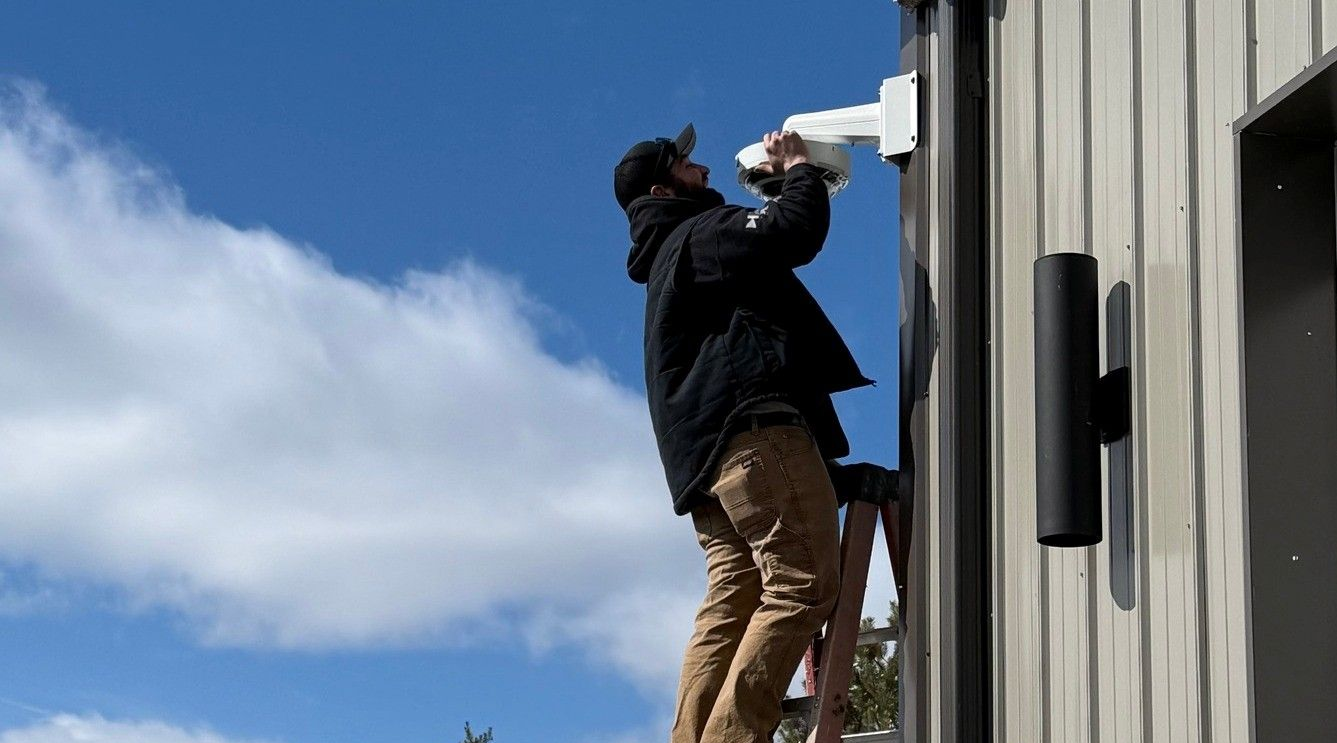
Installation requirements can also affect overall expenses. Building characteristics, wiring needs, equipment placement, and integration with existing infrastructure may influence project complexity. Professional installation can help ensure that components are positioned appropriately, configured correctly, and tested for dependable operation.
Choosing adaptable equipment with professional guidance can support immediate protection needs while preserving opportunities for future improvements as financial circumstances allow.
Assessing Long-Term Reliability and Maintenance Requirements
Affordability involves more than purchasing equipment at a competitive price. Product durability, maintenance needs, warranty coverage, and technical support can significantly affect long-term value. Equipment that requires frequent repairs or premature replacement may ultimately become more expensive than a higher-quality alternative.
Consumers evaluating security systems should consider the manufacturer’s reputation, available support resources, and expected compatibility with future technology. Dependable components can help reduce disruptions, while accessible maintenance services may prevent minor technical problems from developing into larger operational concerns.
Warranties and service agreements deserve particular attention. Understanding what is covered, how repairs are handled, and whether replacement equipment carries additional charges can make ownership expenses more predictable.
A long-term perspective helps consumers recognize that the lowest advertised price does not necessarily represent the most economical investment.
Balancing Financial Priorities With Effective Protection
Although customers are becoming more cost-conscious, protecting people, property, and valuable belongings remains essential. The challenge is determining where financial adjustments are reasonable and where reductions could create unnecessary exposure to risk.
A comprehensive evaluation considers both security concerns and budget limitations. Property owners may benefit from comparing service packages, reviewing existing equipment, and discussing alternatives with knowledgeable professionals. These conversations can reveal opportunities to streamline expenses without eliminating important protective functions.
For businesses, maintaining reliable coverage can also support operational continuity. Unauthorized access, property damage, and equipment losses may create disruptions that extend beyond immediate repair expenses. Residential customers face similar concerns regarding personal belongings, property access, and household safety.
Effective security planning should therefore emphasize value rather than simply minimizing spending. Decisions based exclusively on price may overlook differences in performance, reliability, and service quality.
Working with experienced professionals can help customers understand available choices and identify solutions that address meaningful vulnerabilities while remaining consistent with their financial priorities.
Adapting Security Investments to Changing Financial Conditions
Economic pressures can influence purchasing decisions over time, making adaptability an increasingly valuable characteristic of modern protection solutions. A system that meets current requirements while accommodating future changes may offer greater financial flexibility than equipment with limited expansion capabilities.
Property owners should also recognize that their security priorities may evolve. Business growth, changes in occupancy, renovations, and new operational requirements can affect the level of protection needed. Periodic professional evaluations can help determine whether existing equipment continues to provide suitable coverage.
Service flexibility matters as well. Understanding available monitoring arrangements, equipment upgrades, and maintenance options can help customers manage expenses as circumstances change. Providers that communicate clearly about available alternatives make it easier for consumers to evaluate potential adjustments.
Ultimately, maintaining effective protection involves balancing present affordability with future reliability. Thoughtful planning can help customers avoid unnecessary purchases while preserving the ability to respond to changing security requirements.
Making Informed Security Decisions Despite Rising Costs
Increasing expenses are reshaping how homeowners and businesses approach property protection. Customers are placing greater emphasis on transparent pricing, practical features, flexible equipment, and manageable service commitments. These priorities reflect a desire to maintain dependable security while exercising greater control over financial obligations.
Choosing suitable security systems requires evaluating immediate needs alongside long-term ownership costs. Equipment quality, installation requirements, monitoring services, and maintenance considerations all contribute to overall value. By considering these factors together, consumers can make confident decisions that support their budgets without overlooking essential protection.
At DirSolutions LLC, we understand the importance of balancing reliable protection with affordability. Our team can help you explore available options, evaluate your property’s needs, and identify practical solutions that align with your priorities. Contact us today to discuss your security goals and learn how we can help protect what matters most.

Share On: